
The Loneliness Epidemic: Why Everyone Feels Isolated
You can be sitting in a crowded lecture hall, a group chat blowing up your phone, and still feel like you’re on your own little island. If that’s been your vibe lately, you’re not weird or broken—you’re living through what a lot of people are calling a loneliness epidemic.
For Gen Z and college students, it’s especially intense. You’re “connected” 24/7, but actually feeling known, supported, and safe with people? That’s a whole different thing.
This guide is here to unpack why so many of us feel isolated right now—and what tiny, doable steps can actually help.
Key Takeaways:
✓ Feeling lonely even when you’re surrounded by people is extremely common for teens and young adults right now—it’s a systemic problem, not a personal failure
✓ Social media, academic pressure, money stress, and stigma around emotional struggles all quietly feed the loneliness epidemic
✓ Loneliness doesn’t always look like “no friends”—it can show up as masking, people-pleasing, or feeling unseen in your existing relationships
✓ Tiny actions like low-pressure check-ins, “parallel hangouts,” and honest micro-shares can slowly rebuild real connection
✓ You don’t have to fix your whole social life at once—think like a garden: plant one small connection seed, water it, and let it grow over time
1. Why everyone feels so alone
Not just you
You’re not imagining it: a lot of people your age are struggling quietly.
Surveys show that more than a quarter of U.S. adolescents report poor emotional health, and about 40% say they feel persistent sadness and hopelessness in a given year (CDC, 2024). That’s a huge number of people walking around campus or scrolling next to you on TikTok feeling heavy and alone.
At the same time, about 58% of adolescents say they “usually or always” get the social and emotional support they need—meaning a large minority don’t (CDC, 2024). That gap? That’s where loneliness lives.
So if your brain has been telling you:
- “Everyone else has their people.”
- “I’m the only one who can’t figure this out.”
- “If I disappear, no one will notice.”
Those thoughts are common when you’re feeling isolated—but they’re not the full picture of reality.
Loneliness vs. being alone
Being alone is a situation.
Loneliness is a feeling.
You can be:
- Alone in your room and feel peaceful, cozy, and recharged
- At a party and feel like you’re watching your life from the outside
Loneliness happens when there’s a gap between the connection you want and the connection you have. For a lot of students and young adults, that gap is huge right now.
Why Gen Z gets hit hard
A bunch of forces stack up at the same time:
- Life transitions: Moving away, starting college, or your first job can blow up your old support system overnight.
- Academic and career pressure: When everything feels like a competition, people become “networking opportunities” instead of humans you can be real with.
- Stigma: Even though people talk more openly about emotional wellness, a lot of students still don’t feel safe saying, “I’m not okay.”
- Unequal support: LGBTQ+ youth and teens of color are less likely to report getting the social/emotional support they need (CDC/APA, 2023–2024), which can make isolation even sharper.
Add ADHD, anxiety, or low mood into the mix, and just starting a conversation or showing up to an event can feel like a boss-level challenge.
In summary: If you feel isolated, it’s not because you “failed at being social.” You’re living in a culture that quietly makes real connection harder than it should be.
2. How social media shapes loneliness
Always online, rarely seen
According to Pew, nearly half of U.S. teens say they’re online “almost constantly” (Pew Research Center, 2024). That’s… a lot of time in digital spaces.
But more screen time doesn’t automatically equal more connection. In fact:
- Teens with four or more hours of daily screen time are about twice as likely to report anxiety or depression symptoms compared with those with less screen time (CDC, 2024).
- Children and adolescents who spend more than three hours a day on social media have roughly double the risk of experiencing emotional health problems like anxiety and low mood (U.S. Surgeon General, 2025).
That doesn’t mean social media = bad and quitting it = instant happiness. But it does mean heavy use can feed difficult feelings, especially if you’re already feeling isolated.
The highlight reel problem
You know this logically, but your nervous system doesn’t care: when you scroll, you mostly see:
- Group pics
- Couple photos
- “My besties surprised me!” videos
- Perfect study-with-me vlogs
Your brain quietly compares your real life (messy, uncertain, lonely sometimes) to their curated feed. Even if you know it’s edited, it can still land as:
- “They have a friend group. I don’t.”
- “They’re always invited. I’m not.”
- “No one would post about me like that.”
When social media helps
It’s not all bad. Moderate social media use (about 1–3 hours daily) may actually be linked to better emotional health than both very low and very high use, according to large youth surveys (Orygen/Mission Australia, 2025).
That tracks with lived experience: for some people, online spaces are where they finally find people who get their identity, interests, or neurodivergent brain.
The key question isn’t “How many hours?” but:
“After I scroll, do I feel more connected, or more invisible?”
If the answer is “invisible” most days, it might be time to tweak how—and how much—you’re using it. For more on this, you might like our guide on breaking the doomscroll habit.
In summary: Social media can be a tool for connection or a magnifying glass for loneliness. The impact depends a lot on how often you’re using it, who you follow, and what you do after you close the app.
3. What loneliness looks like in real life
Not just “no friends”
Loneliness doesn’t always look like sitting alone at lunch. It can be way more subtle.
Common signs include:
- You’re in group chats but rarely feel safe being honest
- You hang out with people but leave feeling drained or invisible
- You’re “the listener” for everyone else but don’t feel like anyone really knows you
- You avoid sharing your struggles because you don’t want to be “too much”
“Teen emotional challenges may present as withdrawal from friends and family, loss of interest in hobbies, changes in sleep, increased irritability, or concerning behavioral changes” (CRI/MHA, 2025). All of these can be both causes and effects of feeling lonely.
ADHD, anxiety, and masking
If you’re neurodivergent or anxious, you might be especially good at wearing a mask socially:
- Laughing at the right times
- Asking everyone else questions
- Keeping the conversation light, never deep
On the outside, you look “fine.” Inside, you might feel like:
- “No one actually knows me.”
- “If I showed them the real me, they’d leave.”
- “I’m always ‘too much’ or ‘not enough.’”
That kind of chronic masking is exhausting and can feed both burnout and low mood. We talk more about this in high-functioning burnout.
Why it hurts so much
Humans are wired to connect. When we don’t, it hits hard:
- Loneliness can intensify anxiety and low mood
- Low mood makes it harder to reach out
- Anxiety tells you people don’t really want you there
And then suddenly, weeks go by where you barely speak honestly to anyone.
In summary: Loneliness can hide behind “I’m fine,” busy schedules, and packed group chats. If you feel unseen or like you’re playing a role around people, that’s loneliness too.
4. Tiny ways to feel less isolated
You don’t have to overhaul your social life. Think small—like planting one seed in a neglected corner of the garden.
Here are tiny, low-pressure actions you can try. Pick one that feels doable today.
1. Send a “no context” check-in
Reaching out doesn’t have to be a deep, vulnerable essay. Try:
- “Saw this meme and thought of you” + meme
- “How’s your week going on a scale of 1–10?”
- “I just realized we haven’t caught up in a while—how are you really?”
If answering messages feels hard, you can even be honest about that:
Example:
“Hey, my brain’s been weird about replying to texts, but I care about you and wanted to say hi.”
You’re allowed to name that it’s hard and still reach out.
2. Try “parallel hangouts”
If socializing drains you, try connection that doesn’t require constant talking.
Ideas:
- Study in the same room as a friend
- Hop on a video call where you both work on your own stuff
- Sit in the lounge or library with headphones on, just existing near people
This is especially friendly for ADHD and anxiety brains—less pressure to perform, more gentle background connection.
3. Share one honest line
You don’t have to trauma-dump to be real. You can test the waters with one slightly more honest sentence.
Instead of:
- “I’m good, just busy.”
Try:
- “I’m okay, but honestly I’ve been feeling pretty isolated lately.”
- “I’m hanging in, but my social battery’s been weird.”
If they don’t respond well, that’s information. If they do, you’ve just opened a door to more real connection.
4. Join spaces that match your brain
Forced small talk at giant parties is not the only way to meet people.
Lower-pressure options:
- Campus clubs based on niche interests (board games, K-pop, DnD, cultural orgs)
- Online communities for ADHD, anxiety, or specific hobbies
- Study groups or project teams where you already share a goal
Remember: “Teens who report stronger feelings of school connectedness have lower rates of persistent sadness and substance use” (CDC, 2024). Feeling like you belong somewhere—even in one small group—can make a big difference.
If you’re not sure where to start, our post on building a wellbeing routine that actually sticks has ideas for weaving social micro-steps into your week.
5. Create a tiny connection ritual
Make connection something you do by default, not only when you’re desperate.
Examples:
- Every Sunday night, send one “thinking of you” text
- Before bed, react to three people’s stories with something more than an emoji
- After each class, say one small thing to the person next to you (“What did you think of that?” “Did you catch the deadline?”)
You’re not trying to make instant best friends. You’re gently signaling to your brain: “I am part of a web of people, even if it feels thin right now.”
6. Let one person see the mess
If there’s someone you already trust a bit, consider letting them see slightly more of the real you:
- Invite them over even if your space isn’t perfect
- Admit you’re having a low day instead of canceling with a fake excuse
- Say, “I’ve actually been feeling pretty lonely lately—could we hang out sometime this week?”
This is scary, yes. But it’s also how deeper connections grow—like moving from surface-level leaves to actual roots.
In summary: You don’t need a huge friend group or a social glow-up. One honest text, one parallel hangout, or one tiny ritual can start to shift the story your brain tells about being “alone.”
5. Tending your connection garden
Think in seasons, not seconds
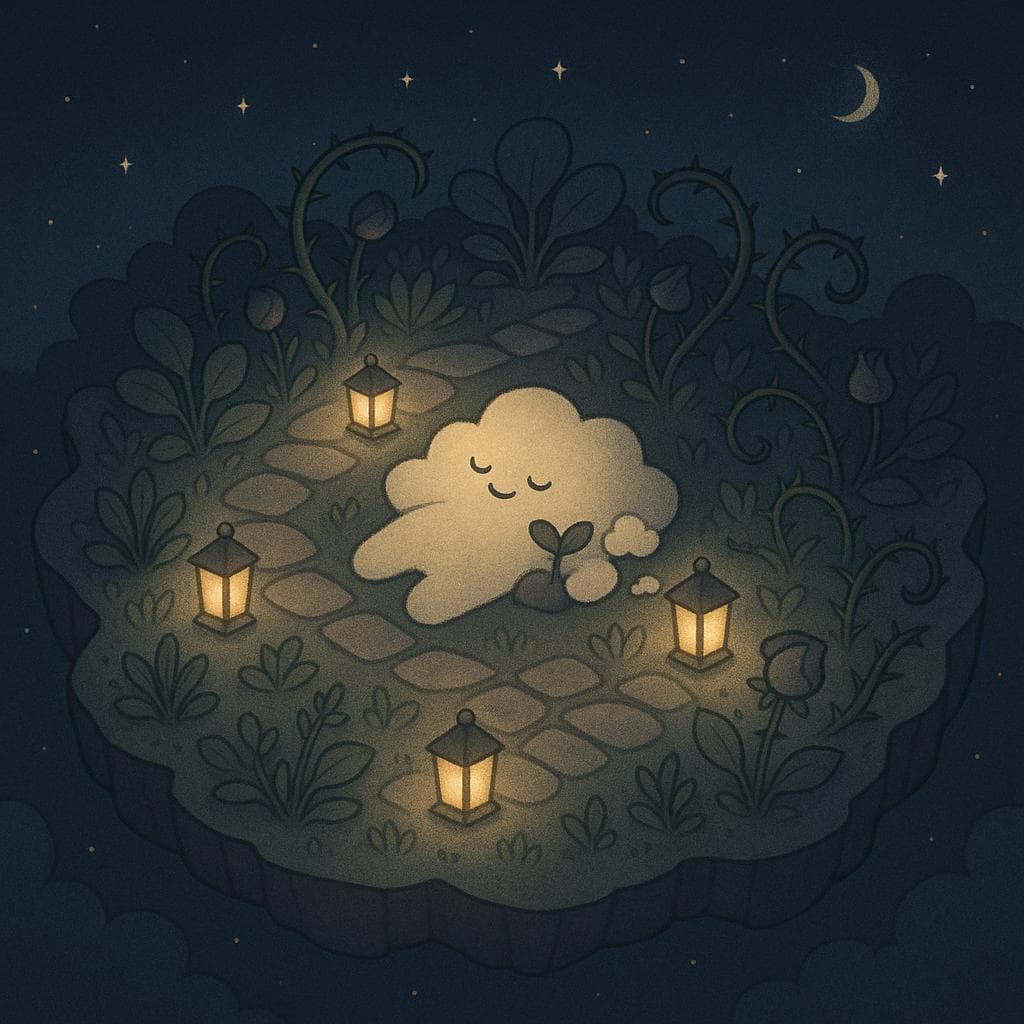
If your social life feels like a dried-out garden right now, that doesn’t mean it’s dead forever. It might just be in a rough season.
Real talk:
- You will not click with everyone
- Some friendships will fade
- Some attempts to connect will be awkward
None of that means you’re doomed to be lonely forever. It just means you’re experimenting with soil, light, and water.
A simple connection plan
Here’s a tiny, realistic weekly “connection routine” you could try:
| Day | Tiny Action | Time Needed |
|---|---|---|
| Monday | Reply to one message with honesty | 2–3 mins |
| Wednesday | Sit near people while you study | 30–60 mins |
| Friday | Send one “thinking of you” text | 2 mins |
| Weekend | One low-pressure hangout (walk, coffee, game) | 30–90 mins |
You can shrink this even more if you’re in survival mode. Even one of these per week is a start.
For more micro-steps when you’re running on empty, check out when you’re feeling too low to do basic self-care.
When to reach for extra support
If loneliness is mixing with:
- Persistent sadness most days
- Trouble sleeping or sleeping way more than usual
- Pulling back from almost everyone
- Losing interest in things you used to enjoy
…that’s a sign it might help to talk with a counselor, therapist, or campus support service. About 20% of U.S. adolescents reported receiving therapy or counseling in the past year (CDC, 2025)—you’re not weird for needing more support, you’re human.
If you can’t afford therapy or don’t have easy access, there are still options: peer support groups, campus counseling, online communities, and gentle tools that help you track how you’re really doing.
6. Conclusion: You’re not the only one
If you’ve been feeling like everyone else has a group, a partner, a “person”—and you somehow missed the memo—that hurts. And it makes sense that it hurts. Humans are wired for connection.
But you are not the only one wandering around campus or your apartment feeling like you’re on mute. So many people your age are carrying the same quiet ache. The difference is just who’s talking about it.
You don’t have to fix your whole social life this week. You don’t have to transform into an extrovert. You don’t have to pretend you’re fine when you’re not.
You can:
- Send one honest text
- Sit near people instead of isolating in your room
- Admit to one person that you’ve been feeling lonely
- Keep tending to your own wellbeing, even when connection feels slow to grow
If you want a gentle place to track these tiny connection wins—“sent a check-in text,” “studied with a friend,” “told the truth about how I’m doing”—you can download Melo and let your little garden reflect the connections you’re slowly building, even when your brain forgets they count.
You deserve to feel connected. You deserve people who see you. And it’s okay if, for now, your only job is to plant one small seed at a time.
Note: This article is for general information and support only and isn’t a substitute for professional care. If loneliness and difficult feelings are making it hard to function day-to-day, consider reaching out to a therapist, counselor, or trusted healthcare professional for more personalized help.